He had the seal
My brother ran two report cards for most of a year in junior high. He lifted a stack of blanks from the school office, forged my mother’s signature on the real one each grading period, and kept a second card with better grades to show at home. He had the seal.
What he didn’t know was that my mother had been putting a tiny dot on the card she signed, somewhere nobody would think to look. When he rebuilt the display card from a fresh blank, it came home without the dot. Busted.
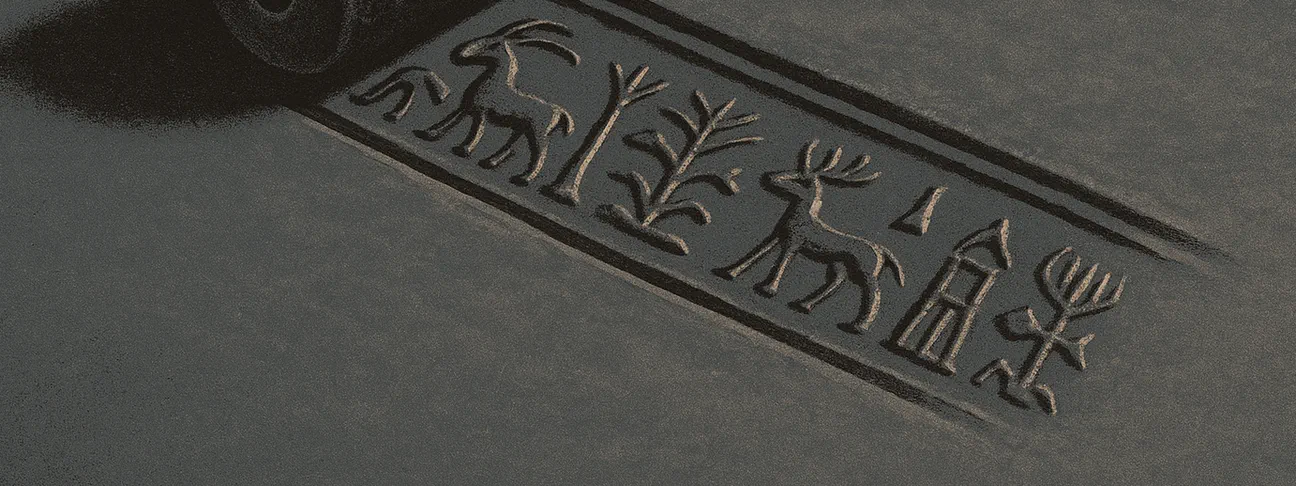
I thought about that story reading a historian’s tour of five thousand years of document verification, which ends by asking whether we can build a digital cylinder seal. We did, decades ago. Code signing, DKIM, the padlock in your browser. It works exactly as well as the Mesopotamian original. It lets honest people vouch, and in five thousand years a seal has never caught a single forger. People did.
A seal vouches. A net catches. Most of today’s confusion about verification, from AI watermarks to “written by a human” badges, comes from asking one instrument to do the other’s job.
The essay, with the historian’s question and my mother’s dot:
 Read the essay
The Seal and the Net
A historian traced five thousand years of document verification and ended on a question: can we build the digital equivalent of the cylinder seal? We did, decades ago. It works exactly as well as the original, which is the part worth understanding.
Read the essay →
Becoming Gnarly, by email