Held together by the wait
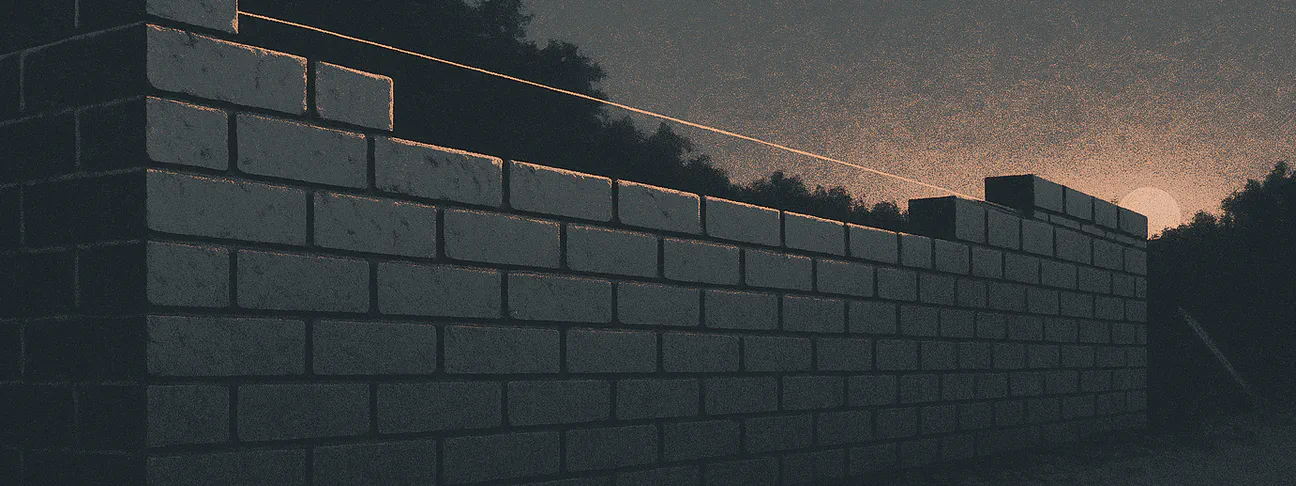
Some processes are held together by discipline. Somebody designed a checkpoint, named it, and the work stops there on purpose. A lot more are held together by the wait. The two days it took the research to come back. The gap between draft and feedback. Nobody designed those stops. Reviews accumulated in them the way silt accumulates in slow water.
The trouble with a checkpoint nobody designed is that it fails differently. Skip a designed one and it leaves a trace: a missed sign-off, a reviewer asking where their copy went. Delete an accidental one and it leaves nothing at all. There was never a meeting, just a wait that used to be there and now isn’t. You can’t mourn a stop you never knew you were making.
I lived this for years writing tech books. A finished chapter went out for review and came back two or three weeks later, and I resented every day of it. But somewhere in that gap I reliably stopped loving the chapter, and the writer who reread it against the reviewer’s notes was a colder, better editor than the one who’d sent it out. Nobody assigned that. It came free with the delay.
Modern tools have compressed roughly every turnaround I have to about an hour. The review still happens. The falling out of love doesn’t, and infatuation has never once caught a weak claim.
Friction is not a virtue, and I wouldn’t take the two-week turnaround back for anything. But before you delete a wait, stand in it once and figure out what it was holding up.
The simple version of that claim didn’t survive contact with my own work, and the narrower version is sharper:
 Read the essay
The Wait Was the Review
Some processes were never held together by discipline. They were held together by the wait, a delay doing gate-work nobody assigned it. Nobody misses a checkpoint that was never on the org chart.
Read the essay →
Read the essay
The Wait Was the Review
Some processes were never held together by discipline. They were held together by the wait, a delay doing gate-work nobody assigned it. Nobody misses a checkpoint that was never on the org chart.
Read the essay →Becoming Gnarly, by email