Craft
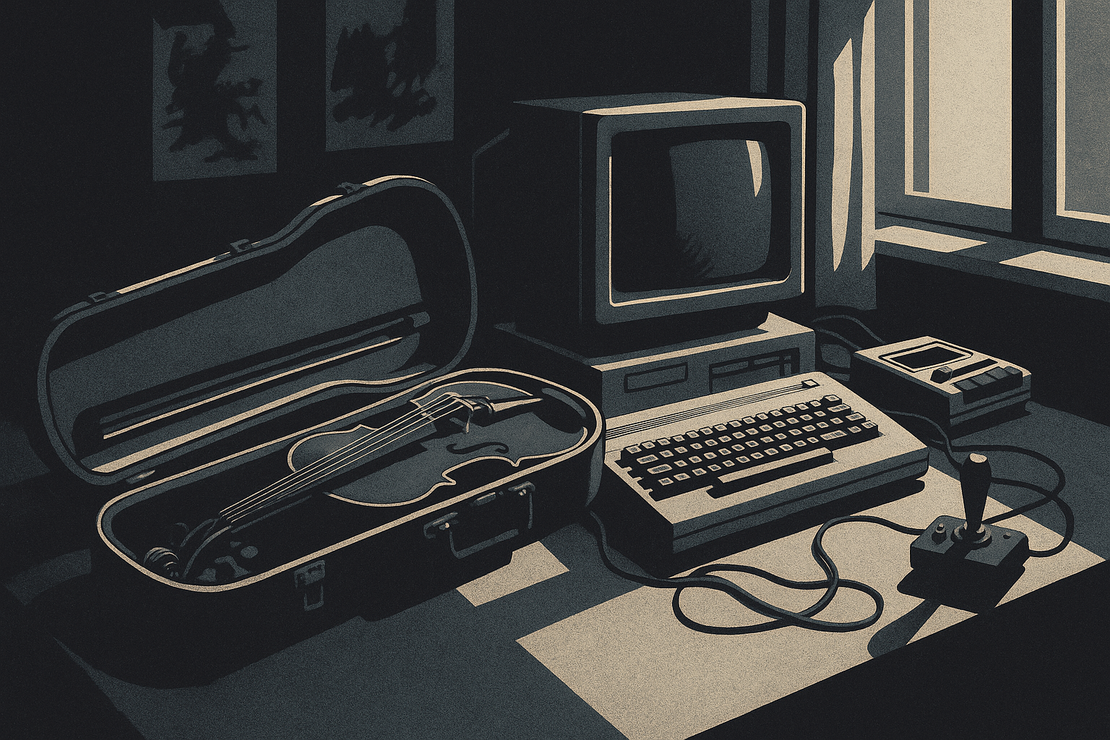
The Violinist and the Commodore 64
I believe it was 1984 when I upgraded from a TI 99/4A computer to a Commodore 64, which would become the single best-selling desktop computer of all time. Those were early days for desktop computers, and the C64 was an affordable entry point, introducing many of us to the BASIC programming language, early online communities, and software piracy. A few of us even leveled up to learning 6502 Assembly Language, which was no-joke challenging for that era, likely for any era. I used my Commodore for tinkering with programming, playing games, and eventually running a Bulletin Board System (BBS) on a shockingly slow dial-up connection…mostly to download more games.
Read More
The Game Remembered What I Forgot
Combat Tanks, a game I wrote in 1993, has medics in it, and I didn’t know.
Read More
How AI Helps Me Not Be a Dick
I make things, and I have always been bad at the part that comes after.
Read More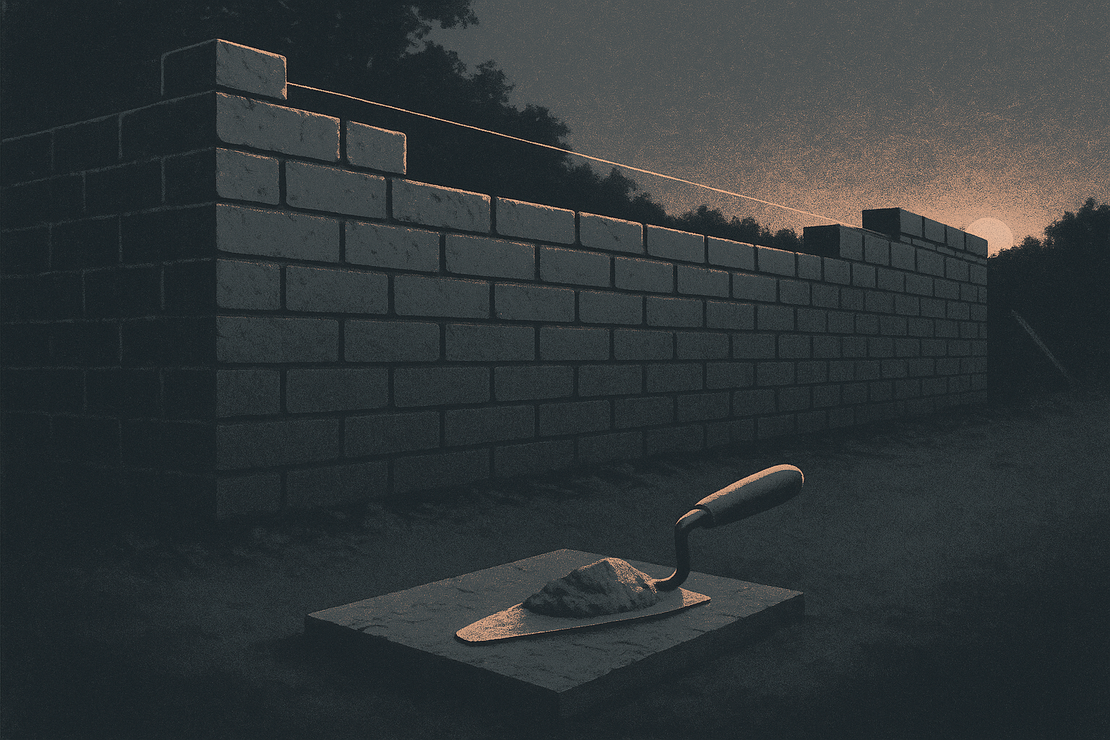
The Wait Was the Review
Over twenty years ago Nashville, my hometown, got its first real concrete skatepark, out at Two Rivers, and those of us in the local scene checked on the construction constantly. I’ve built dozens of wooden ramps over the years, maybe hundreds. Wood has no clock in it. You can take all the time you want, and when you get it wrong you back the screws out and cut another piece. Years after finishing my own ramp I tore off the entire skating surface and rebuilt it. The one thing I couldn’t rebuild was the concrete pool coping, which stayed exactly as it had been set.
Read More
The Blade and the Rock
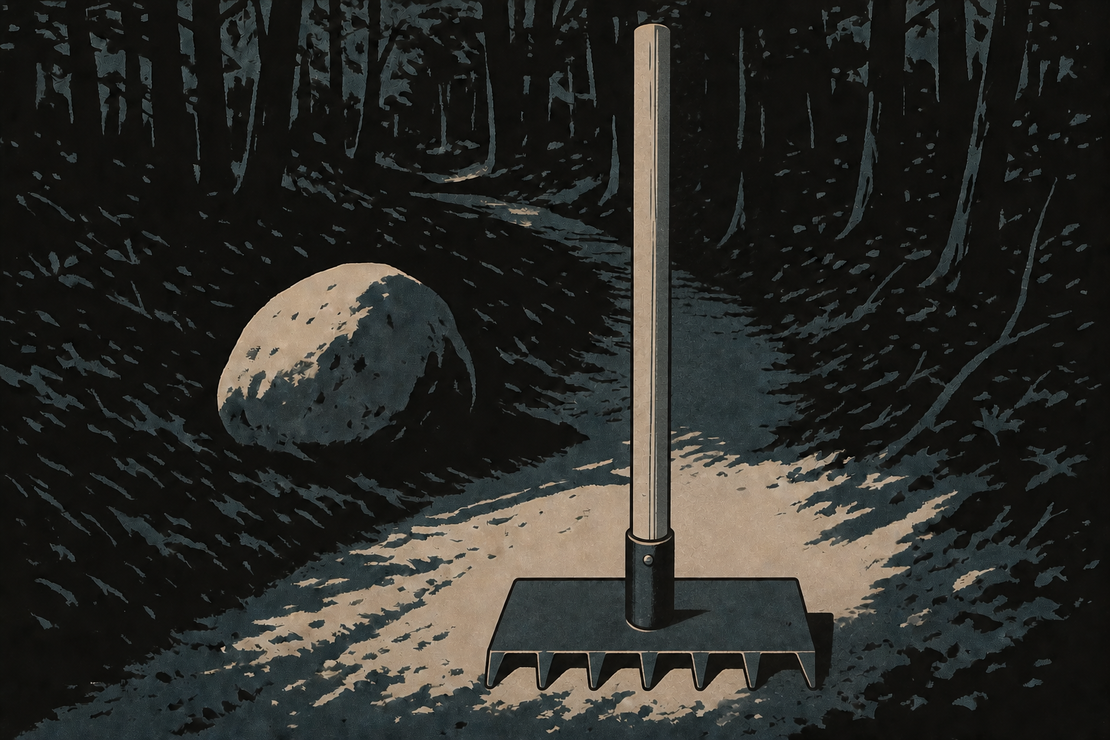
There’s a tool called a McLeod that shows up on every hand crew that’s ever built a hiking or mountain bike trail: a heavy flat blade about the width of your two hands on one edge, rake tines on the other, on a long ash handle. I’ve spent my share of days behind one, on a crew cutting new trail through the woods the slow way. It’s real work. Progress on a good day was measured in yards. And here’s the thing I remember most clearly about the process: it wasn’t the digging. It was the stopping.
Read More
The Tax of Mastery
At thirty I took up ice hockey, which is a deranged thing for a grown adult to do. I’d skateboarded most of my life, well enough that my body had a deep, wordless fluency with a board. Skilled enough to think about style on top of the muscle memory. None of it transferred. Ice is not wood or Skatelite or concrete, a hockey stop is nothing like a skateboard’s, and there is a specific humility in being genuinely good at one thing and then standing on a surface that takes all of it away. I described it at the time as trying to learn to play basketball without knowing how to run. I spent a season getting the puck poked off my stick by ten-year-olds. And I loved it.
Read More
The Forge Was a Side Effect
I have written somewhere north of six million words for money, all long before AI writing was a thing. Computer books, mostly, from the mid-nineties to 2010, the kind with a version number in the title and a shelf life just a bit longer than the milk in your fridge. People who learn this sometimes ask if I’d do it again, now. I used to give a wistful answer. The honest one, the one this whole run of essays has been circling without quite saying, is no. Not a chance. If you handed me a machine today that could produce those six million competent, on-deadline words while I did something else, I’d take it before you finished the sentence, and I’d whistle while walking away.
Read More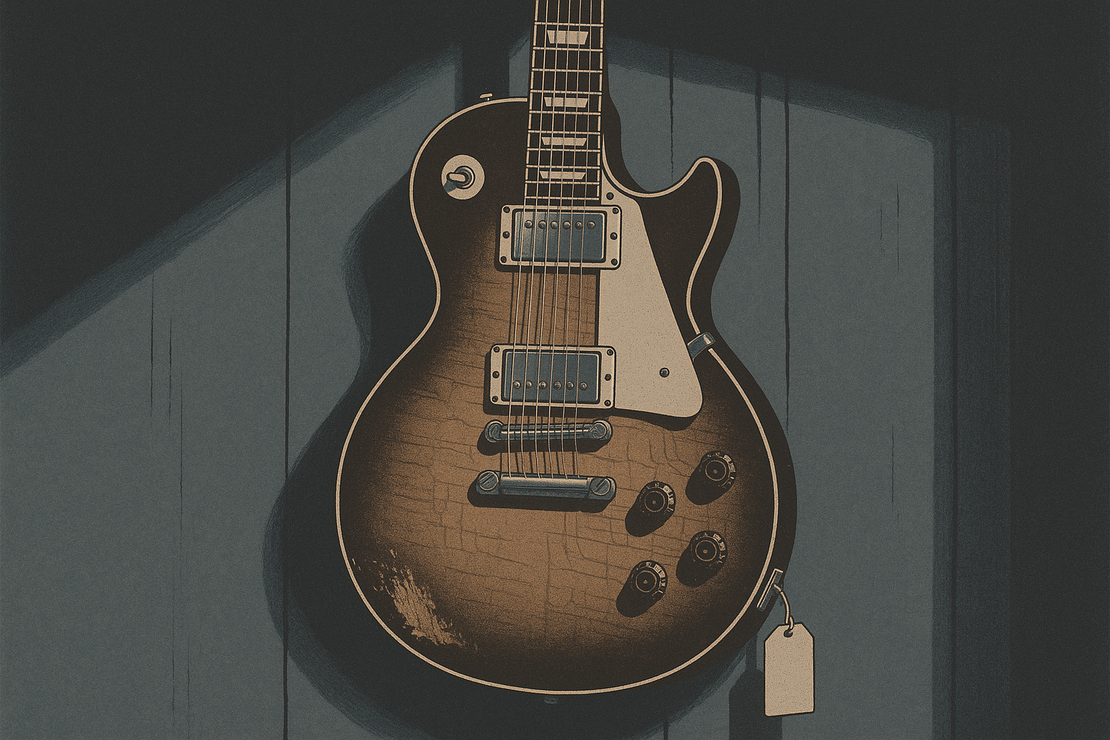
You Can't Relic a Life
There’s a kind of Les Paul guitar that looks like somebody played the life out of it. Sunburst, the finish checked into a thousand hairline cracks the way old nitro lacquer goes after enough cold nights. A worn patch on the back of the neck shaped like a hand. The gold on the hardware dulled to a tarnished green. Around the back, a belt buckle has rubbed a soft crater through the lacquer, down to bare wood, the kind of wear you only get from a few thousand nights standing up with the thing slung low.
Read More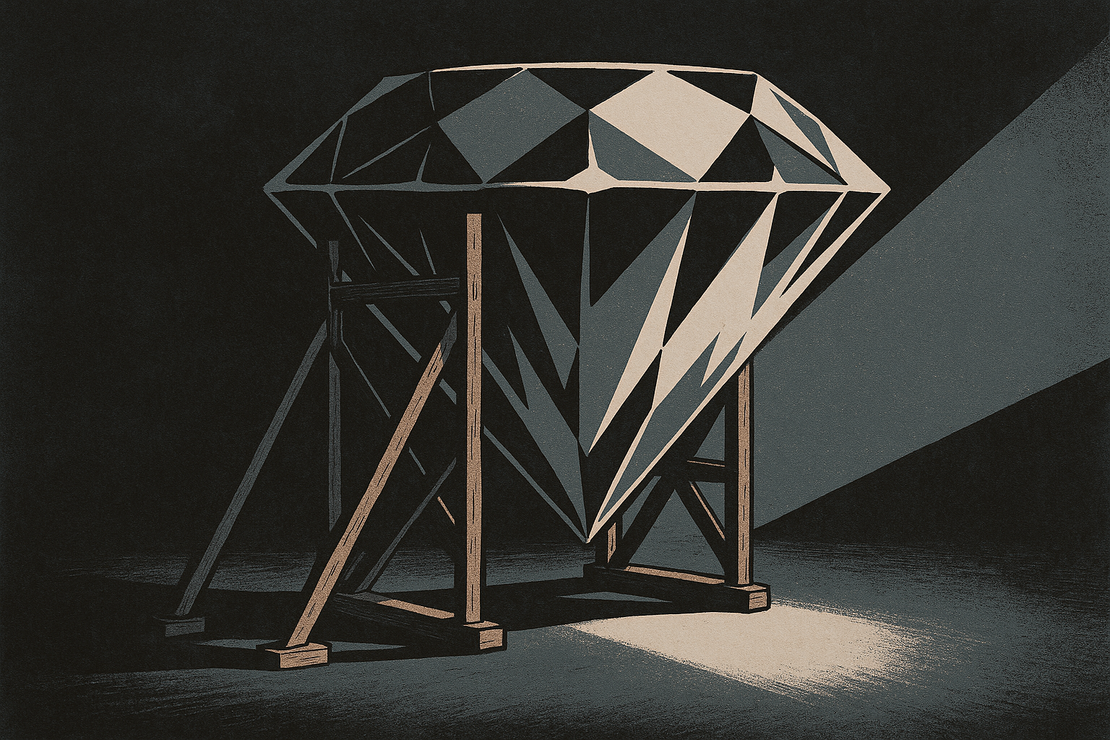
The Diamond Was Always a Story
My wife designs rings. She has the eye: proportion, the way a stone sits in light, when to use a flat rose cut vs. an elongated cushion or an old mine cut, and when the positioning of each reads as intention instead of approximation. What she didn’t have, until fairly recently, was room to use it. A mined center stone of any real size is a four- or five-figure commitment before she’s sketched a single prong, so every design was an expensive bet, and you don’t place many bets when each one costs a mortgage payment. Then lab-grown diamonds got good and cheap in the same handful of years, and the bet got a lot smaller. Now she works the way a painter works: try it, rework it, chase an idea three rings deep just to see where it wants to go.
Read More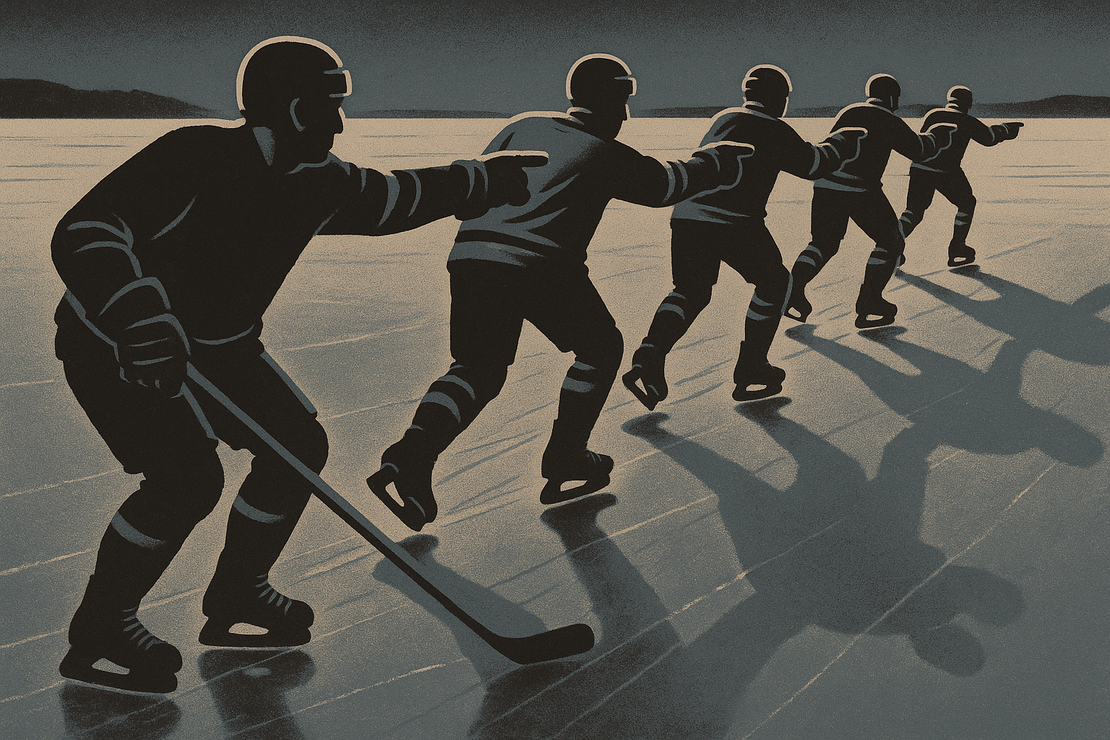
Everyone's a Ringer to Somebody
I played beer-league hockey for fifteen straight years, the kind with a checking ban and a roster that runs from former juniors to guys who learned to skate at thirty (me!), and I’ve noticed a tic in how everyone in it thinks, myself included. Whoever is better than you is a ringer. Not “better.” A ringer. A guy who doesn’t belong down here with us honest players, who’s slumming, who ought to be playing up a division and is padding his stats against us gentlemen of the game. The actual skill of the league has nothing to do with the judgment. You run the same math in the top tier and the bottom: draw the line at your own ability and call everyone above it a cheat. I suspect you probably don’t escape this issue until you truly graduate to the professional ranks, where incentives flip and you actually want to move up leagues.
Read More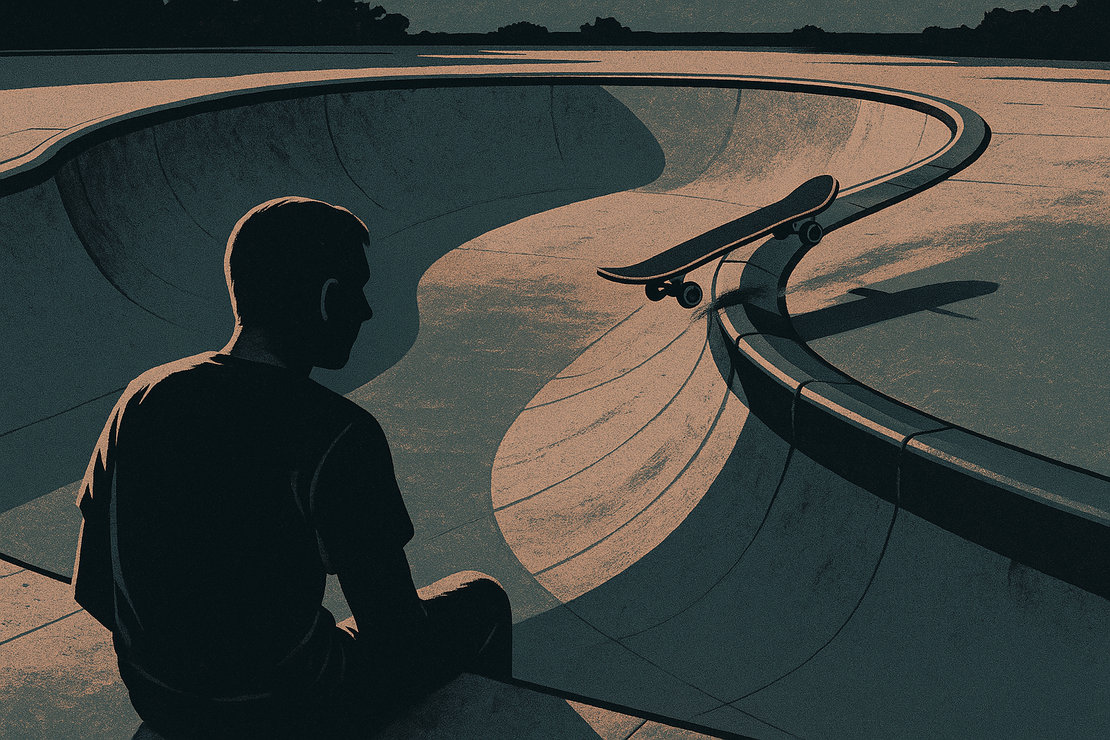
Can I Interest You in a Self-Riding Skateboard?
Friends — how much of your skate session do you waste actually skateboarding?
Read More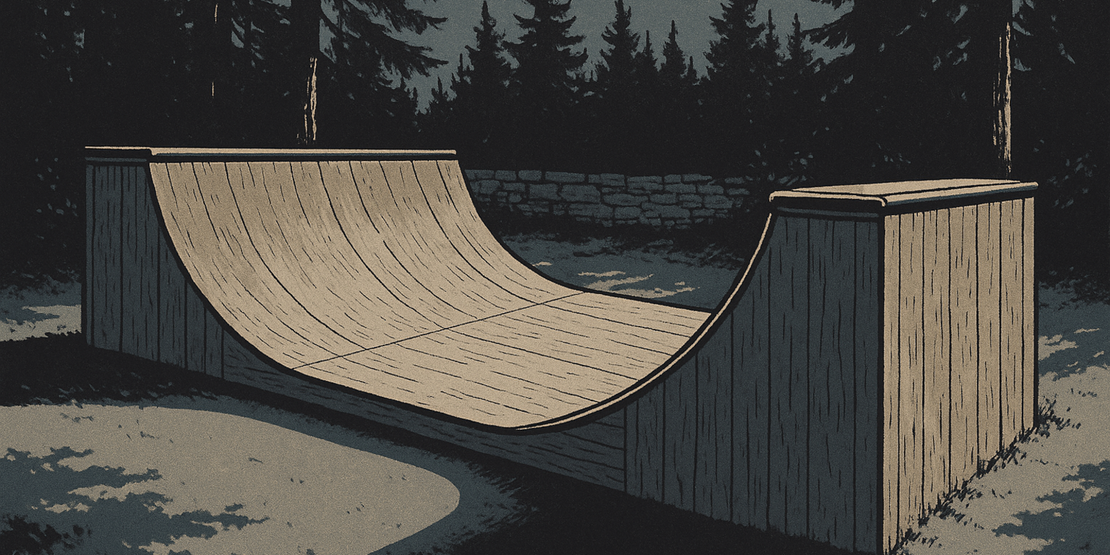
Riding an Invisible Ellipse
I rarely do things the easy way. In this case I designed and built a skateboard mini ramp not only to be durable and ride well, but also to look cool and blend into a residential environment where skateboard ramps aren’t always welcome with open arms. So from the jump I wanted it to look like it belonged, it needed to blend into the environment, a small pad I leveled within cedar tree woods with a surrounding limestone wall. Part of that blending involved open transitions, meaning instead of a squared off cut “box” to form the curved support structure, I wanted it curved top and bottom, which you rarely see done outside of metal framed ramps. I am not (yet!) a metalworker, so coming up with a way to have fully curved transitions was an integral part of the design.
Read More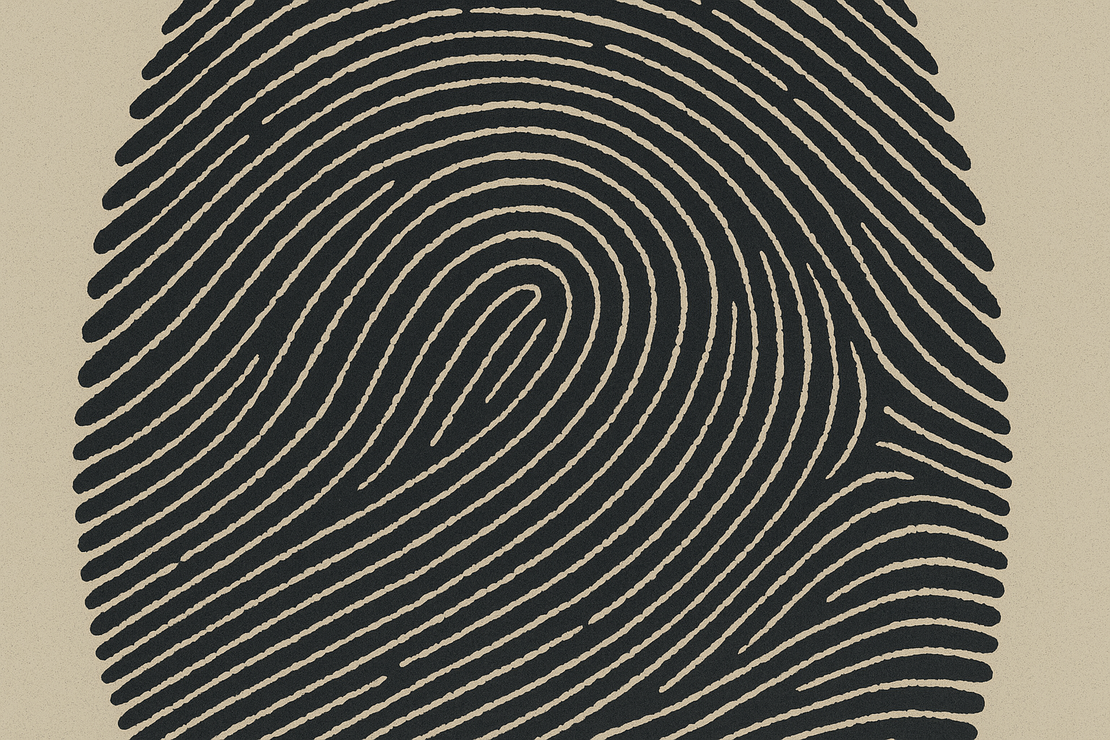
The Tells Were Mine First
I built a machine that detects AI writing, and the first thing it did, given enough rope, was call me a robot.
Read More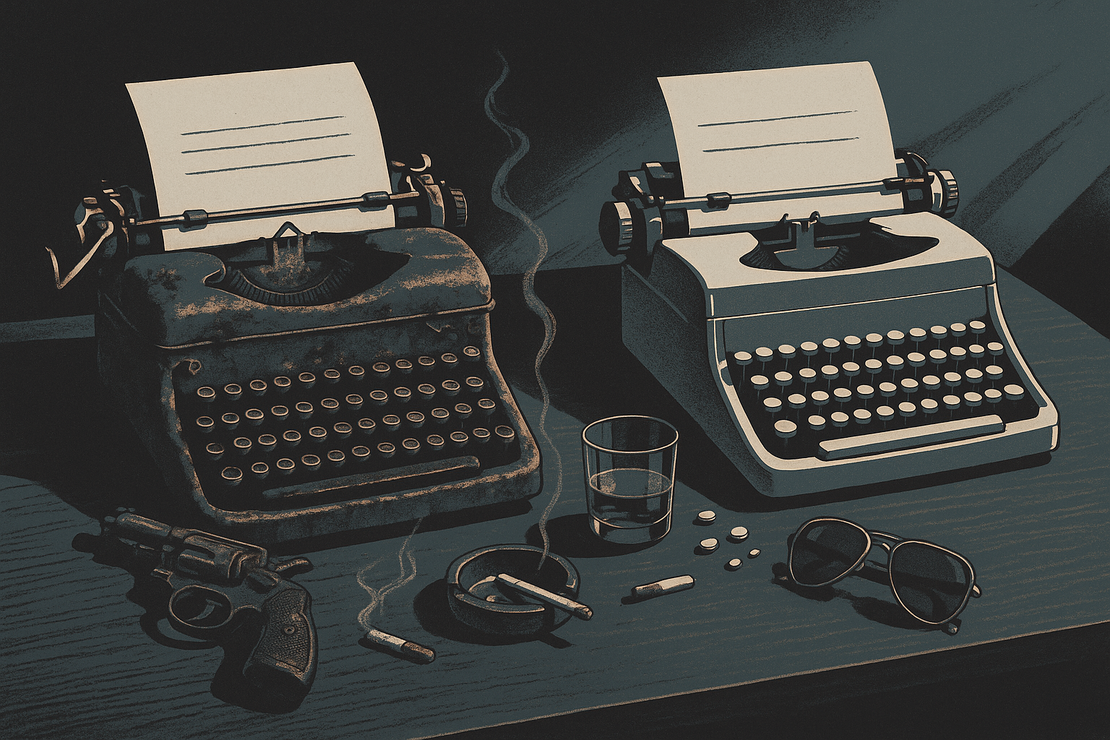
What AI Polish Does to Hunter S. Thompson
I know, it’s probably blasphemy to even mention AI writing in the same sentence as Hunter S. Thompson, but let’s run with it. An AI humanizer applied to his actual writing would have butchered him. The gonzo is the signature. The mangled syntax, the staccato outbursts, the way a sentence pivots mid-thought into something disreputable — those are not flaws an editor needs to clean up. They are the prose. Polish those out and you have not produced Thompson. You have produced a competent stranger’s version of Thompson, which is to say: an unremarkable column. And that doesn’t begin to address the struggles AI would have with nakedly promoting inhuman amounts of illicit drug use.
Read More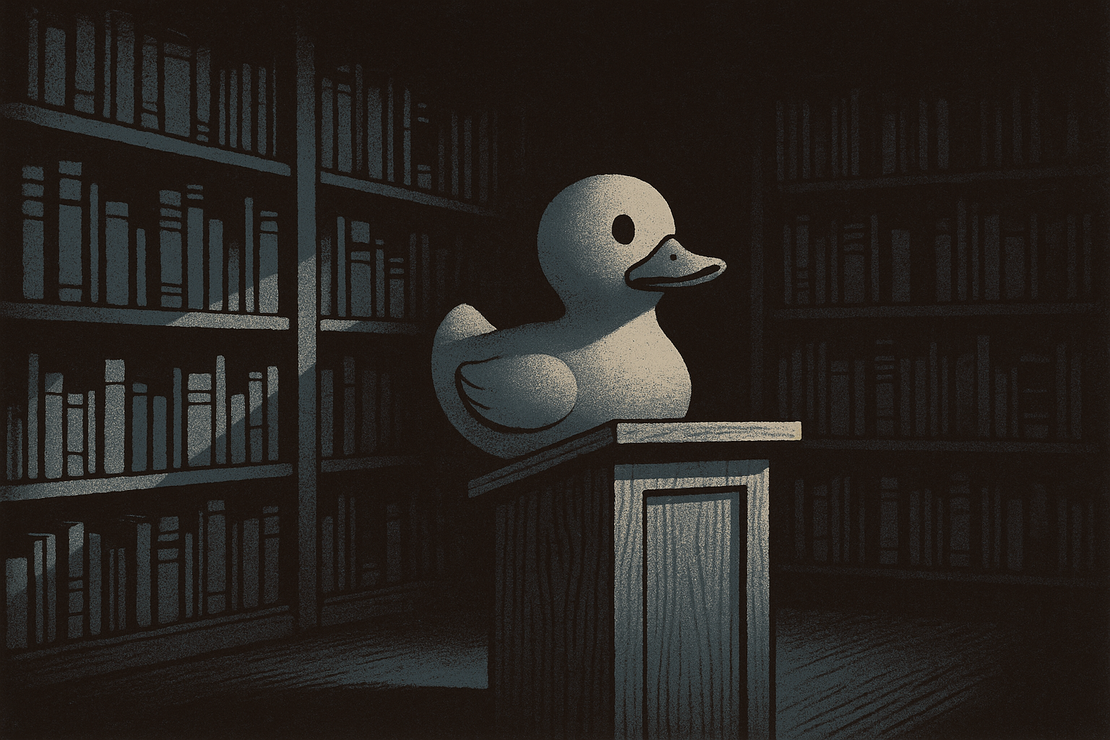
The Duck That Argues Back
Programmers have a trick called rubber-duck debugging. You keep a rubber duck on your desk, and when you’re stuck you explain your code to it, line by line, out loud, like a person who has lost their mind. Somewhere in the explaining you find the bug yourself. The duck does nothing, and the nothing is the point. Forcing the half-formed thing in your head into words another mind could follow is what surfaces the flaw. The duck is just permission to think out loud. In reality, few of us actually have a duck on our desk, but the rubber-ducking concept is very real.
Read More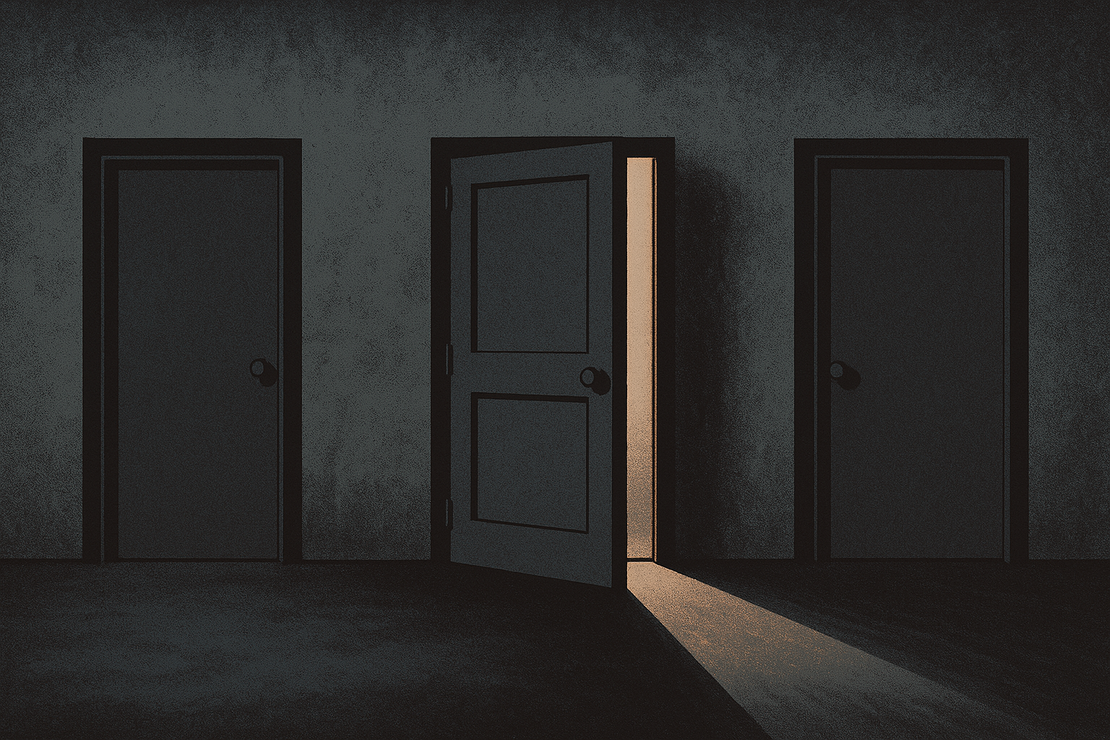
Unlocked, Not Cheated
Standing on Surfaces That Move opened with part of an argument and stopped short of finishing it. It said where the value in creative work has moved: out of producing the work and into the judgment that steers it. It did not say why you’d hand any of the producing to a machine in the first place. You can accept everything in that essay, and everything in the ones that follow — that taste outlasts the tools, that format dictates discipline, that small and intimate beats big and optimized — and still stop me at the door with one question.
Read More
Standing on Surfaces That Move
The software engineering job has moved, seemingly overnight. Working engineers have not been deleted wholesale; the disappearance loudly predicted in recent years hasn’t happened. The work itself has moved, though, and the move is measurable. Line-by-line typing of code got cheap. The judgment about what’s worth typing, and whether what’s been typed will hold together at scale, got expensive. In fact the latter was always expensive, but the cheapening of coding itself has made the gap between the two meaningful.
Read More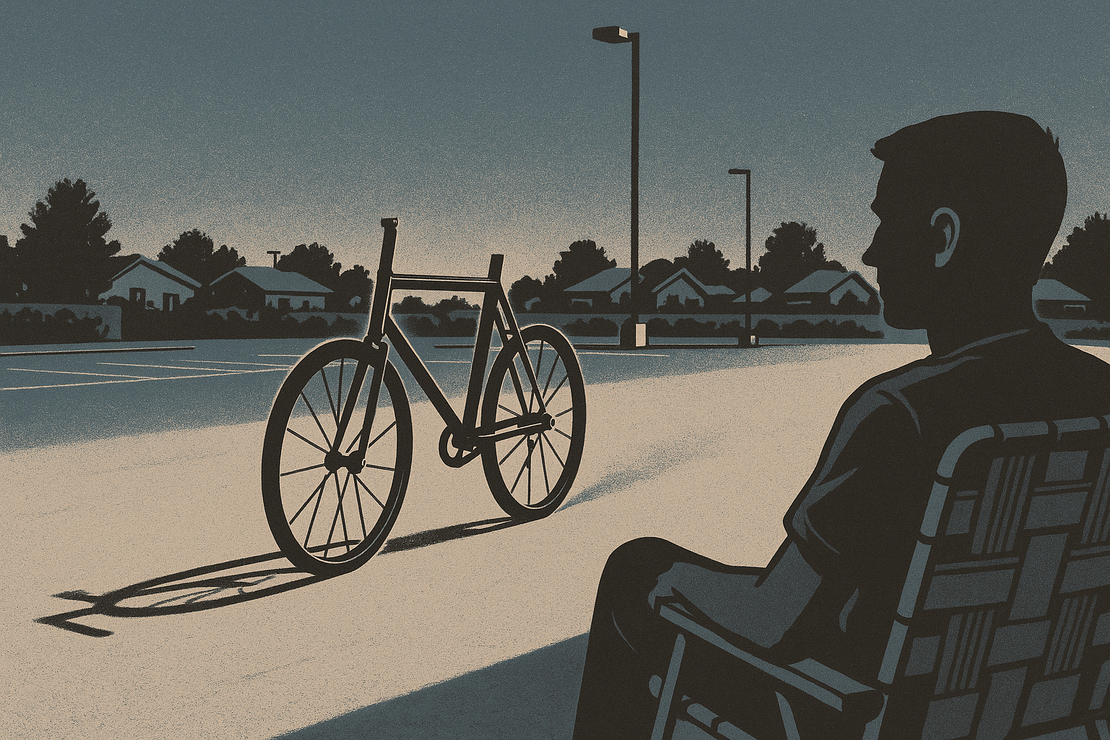
The Self-Riding Bicycle
Picture the launch. The lighting is good, the founder is in the nice plain t-shirt, and the thing under the cloth is a bicycle. The GhostRider™, he calls it. We asked a simple question, he says. What if riding a bicycle could be effortless? The bicycle, it turns out, rides itself: sensors, a gyroscope, a motor where the crank used to be. It balances, it steers, it accelerates, it leans through the corners. We removed the seat, he adds. And the pedals. What would you do with them? Not to mention the handlebar. Nobody’s there to hold on! It takes a clean lap around the stage, riderless, to applause.
Read More
Becoming Gnarly
I keep bees, I ride skateboards on ramps, I ride bikes up hills without gears, I’ve written a lot of technical books, and I build software and games for a living. On a site that asks you to take all of that in at once, the reasonable question is what any of it has to do with the rest. The honest answer is that they’re the same decision made over and over in different spaces. I tend to pick the harder way to do a thing, and I’ve done it on purpose for long enough that it stopped being a series of choices and turned into a disposition. This is an essay that acknowledges the disposition, because everything else here is downstream of it.
Read More