Creativity
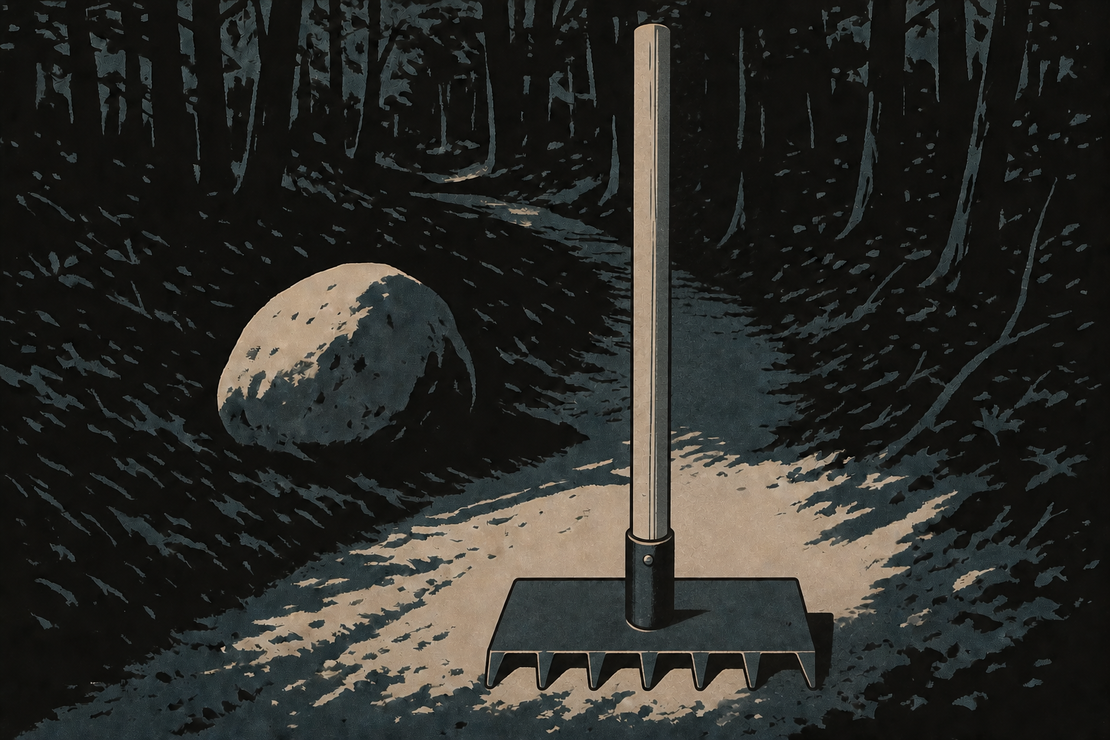
The Blade and the Rock
There’s a tool called a McLeod that shows up on every hand crew that’s ever built a hiking or mountain bike trail: a heavy flat blade about the width of your two hands on one edge, rake tines on the other, on a long ash handle. I’ve spent my share of days behind one, on a crew cutting new trail through the woods the slow way. It’s real work. Progress on a good day was measured in yards. And here’s the thing I remember most clearly about the process: it wasn’t the digging. It was the stopping.
Read More
The Forge Was a Side Effect
I have written somewhere north of six million words for money, all long before AI writing was a thing. Computer books, mostly, from the mid-nineties to 2010, the kind with a version number in the title and a shelf life just a bit longer than the milk in your fridge. People who learn this sometimes ask if I’d do it again, now. I used to give a wistful answer. The honest one, the one this whole run of essays has been circling without quite saying, is no. Not a chance. If you handed me a machine today that could produce those six million competent, on-deadline words while I did something else, I’d take it before you finished the sentence, and I’d whistle while walking away.
Read More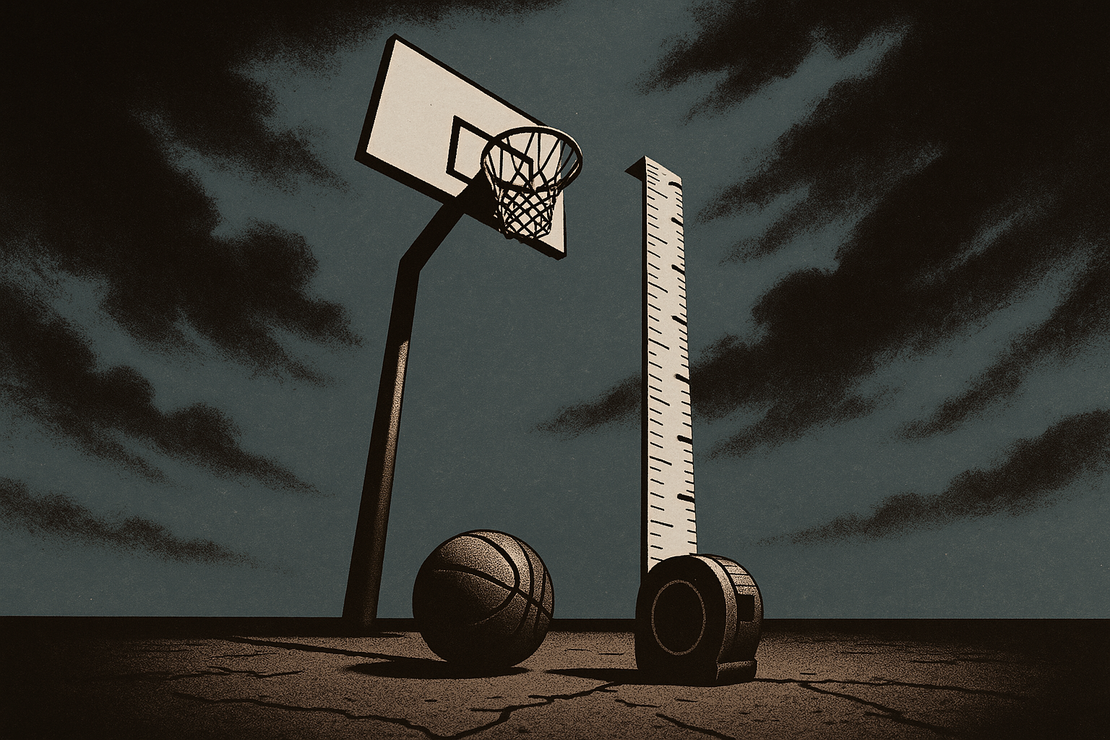
Everybody Can Dunk Now
Basketball tryouts run on a piece of equipment nobody talks about, and it isn’t the ball. It’s the tape measure.
Read More
The Intimacy Economy
Making a living from creative work has come down to two options. Run the brand economy: become a person worth following, and let the work be the marketing for the merch. Or run the performance economy: sell the one thing that can’t be copied, being in the room. AI is squeezing artists toward both, because the artifact itself is going free and the value is migrating to identity and tribe. I walked through all of that in The T-Shirt Economy, and it ended somewhere bleak and mostly correct. I’m a horrible salesman, so I wasn’t thrilled.
Read More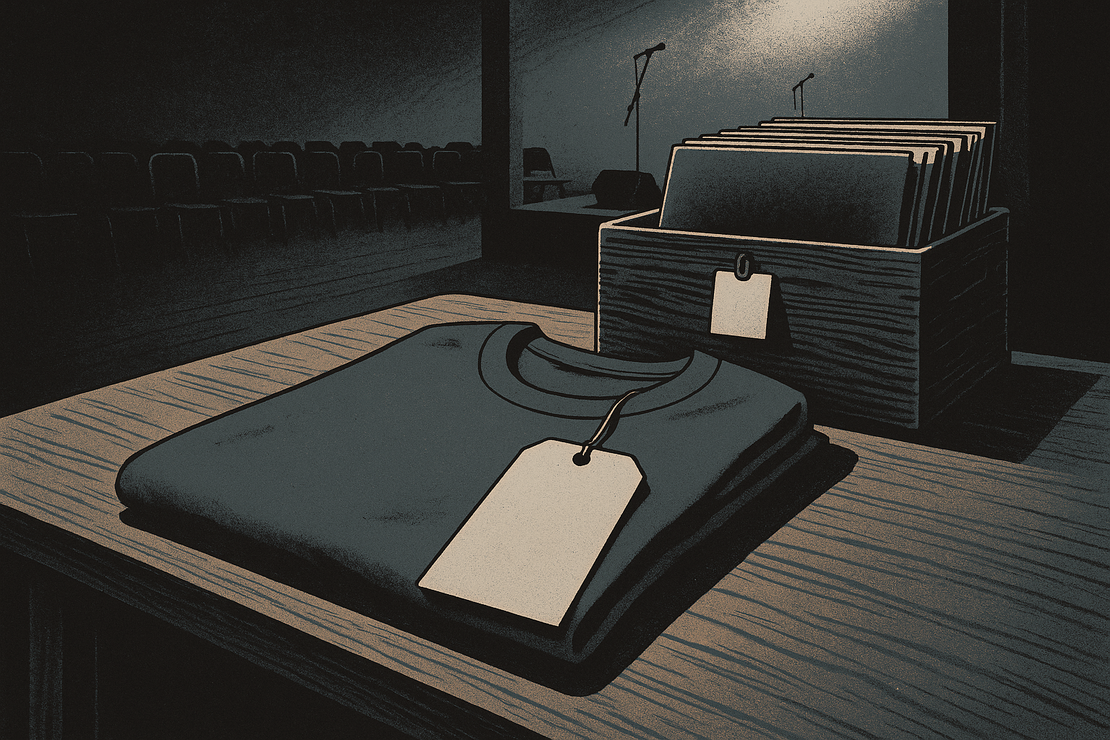
The T-Shirt Economy
At a club show, the band makes more on the shirt than on the performance. Not marginally more. Ticket money passes through a promoter, an agent, and the venue before any of it reaches the people who actually played; the shirt costs a few dollars of cotton, sells for thirty-five, and the only thing standing between the band and that spread is whatever the room charges them for the retail booth. That cut turns out to be contested enough to have produced an organized campaign to abolish it, with hundreds of venues signing on. Nobody organizes over the part of the business that doesn’t matter. I could throw a rock here in Nashville and hit a working musician who could have told me this without doing any math.
Read More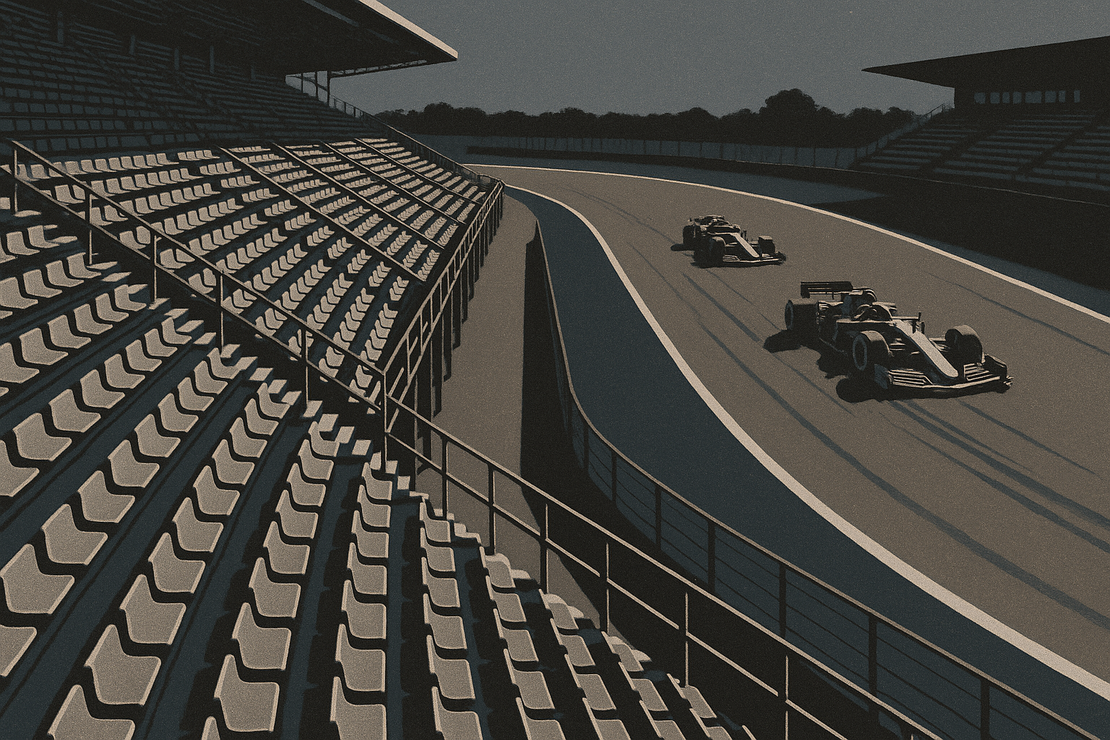
The Unwatchable Race
I had no use for motor racing. Loud, repetitive, a parade of billboards doing two hundred. Then a friend recommended Drive to Survive and I lost a weekend, and what hooked me had almost nothing to do with cars. It was the people. Who they were, who they couldn’t stand, which garages were quietly at war, the engineering trickery, how a tenth of a second in Bahrain rearranged a championship by December. In the early seasons, Guenther Steiner dropped lovable f-bombs left and right, and made you dread that post-race call to Gene Haas, the owner, along with him. The speed was the occasion. The story was the reason.
Read More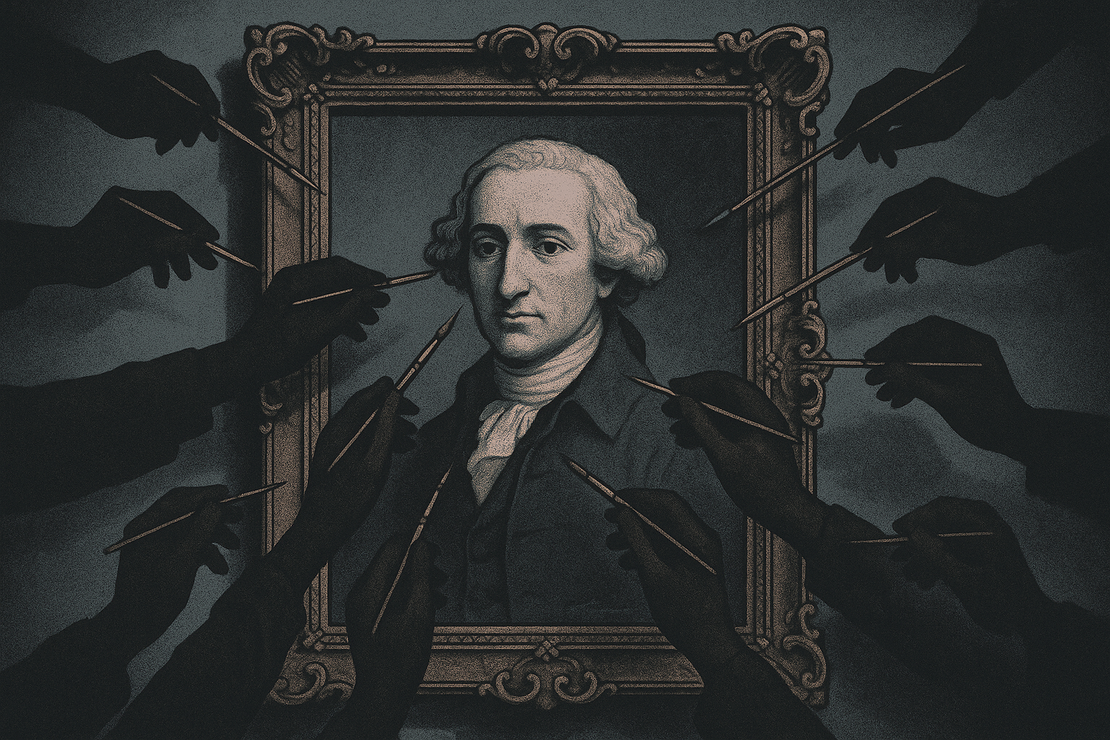
The Hand Was Never the Point
Walk through the Louvre and you can stand in front of a Rubens that Rubens barely touched.
Read More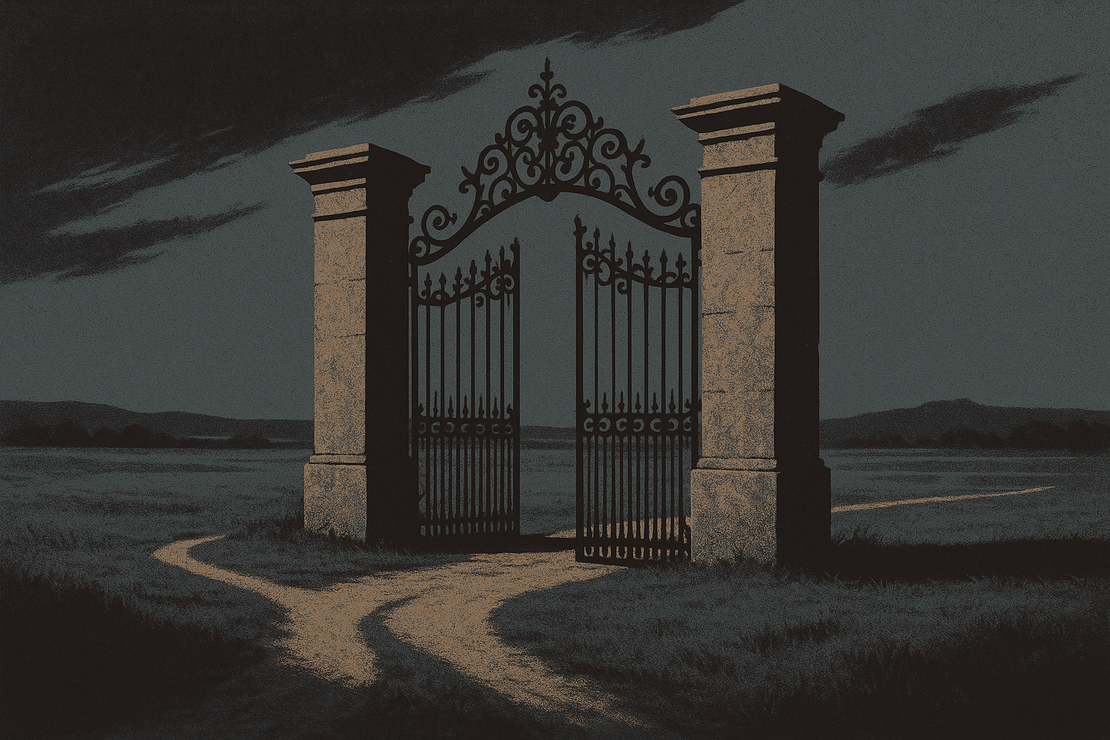
The Gate Was the Product
Nobody anointed this. No imprint vouched for it. No agent shopped it. No editor at a masthead you’d recognize read it first and decided I was worth a slot. I wrote it, I published it, and the only gate it passed through was the one between my draft and the internet, which is to say no gate at all. I mention this not as a sovereignty flex — plenty of unvouched-for writing deserves to stay unvouched-for — but because it’s the vantage point for everything that follows. I’ve spent a working life making things (books for publishers, apps that shipped under other companies’ names), plenty of it the kind of work that gets anointed, none of it under my own name. I’ve been in the rooms; I was just never the one they stamped. That’s a useful place to stand when you want to ask what the anointing was ever actually worth.
Read More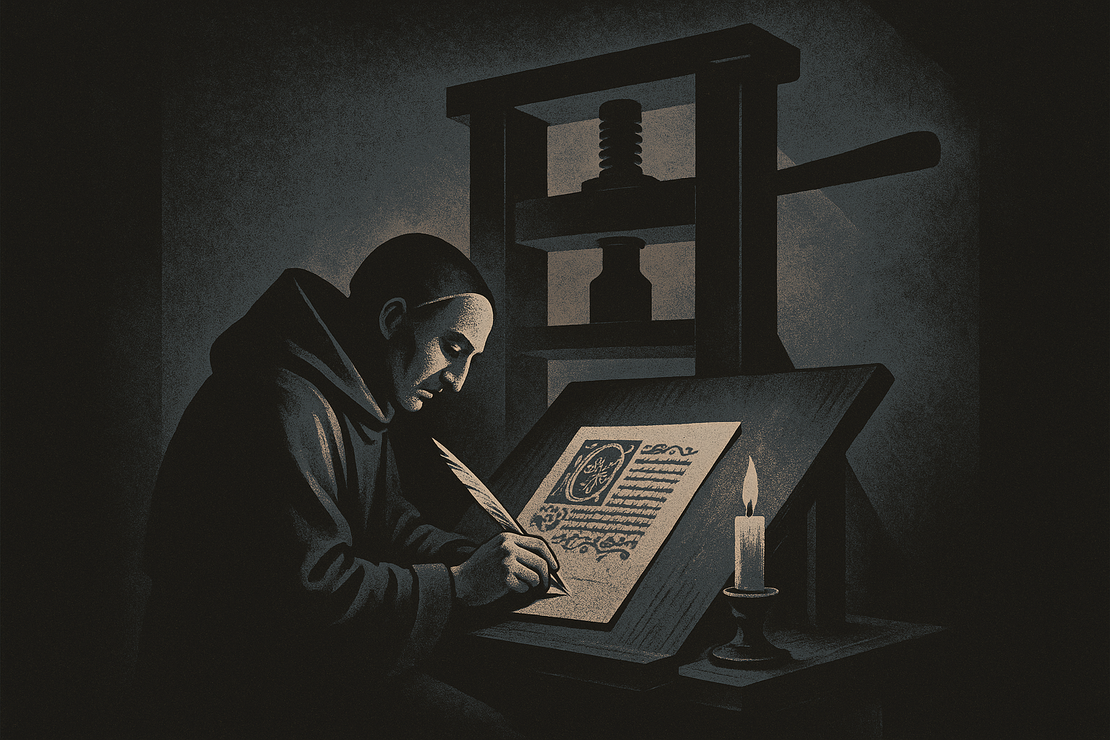
Nobody Told the Scribes
In 1492 a German abbot named Johannes Trithemius wrote a passionate defense of the monastic scribes, the monks who copied books out by hand, one letter at a time, the way it had been done for a thousand years. He was alarmed by the printing press. He argued that the copying was holy work, that a hand-inked page held a devotion no machine could stamp into paper, that something sacred would die if we let the contraption take over. It’s a genuinely moving little book with quotes like, “He who gives up copying because of the invention of printing is no genuine friend of holy Scripture.” He titled it In Praise of Scribes.
Read More
We Already Voted With Our Lives
I’m an electrical engineer by training and a software developer by trade, and these days I build AI-assisted creative tools, which means I spend a lot of my time arguing (largely with myself) about how much of the judgment has to stay human. And the longer I argue it, the more I keep tripping over one strange fact that nobody on either side seems to want to look at.
Read More
You Can't Police a Groove
In 2023 Ed Sheeran stood outside a Manhattan courthouse, having just won, and said that if the verdict had gone the other way he would have quit music for good. He had spent years and a reported fortune defending a four-chord progression and a backbeat against the estate of Marvin Gaye. Not a stolen melody, not a lifted lyric, not even Marvin’s 1964 passport. At issue was a chord pattern that sits under a thousand songs and predates copyright (and Marvin Gaye) by centuries. The man was, in effect, on trial for four chords and the rhythm that connects them. How did we build a world where you can be hauled into federal court over a sequence older than recorded sound?
Read More
Fifty Percent of What?
When critics noticed that a Fortune journalist named Nick Lichtenberg was publishing more articles in six months than his colleagues managed in a year, and that an AI model was doing a lot of the producing, the magazine’s leadership offered a defense that has stuck with me: “More than 50% is Nick.” It was meant to reassure. It did the opposite, and not for the reason everyone assumed.
Read More
What AI Polish Does to Hunter S. Thompson
I know, it’s probably blasphemy to even mention AI writing in the same sentence as Hunter S. Thompson, but let’s run with it. An AI humanizer applied to his actual writing would have butchered him. The gonzo is the signature. The mangled syntax, the staccato outbursts, the way a sentence pivots mid-thought into something disreputable — those are not flaws an editor needs to clean up. They are the prose. Polish those out and you have not produced Thompson. You have produced a competent stranger’s version of Thompson, which is to say: an unremarkable column. And that doesn’t begin to address the struggles AI would have with nakedly promoting inhuman amounts of illicit drug use.
Read More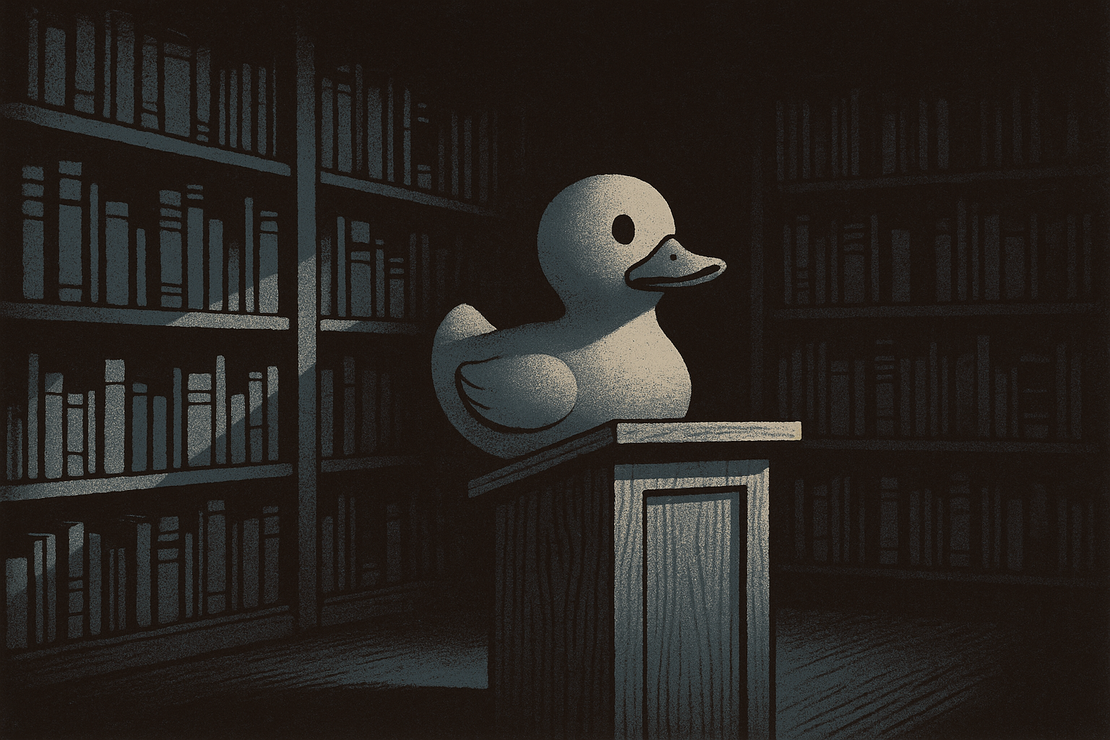
The Duck That Argues Back
Programmers have a trick called rubber-duck debugging. You keep a rubber duck on your desk, and when you’re stuck you explain your code to it, line by line, out loud, like a person who has lost their mind. Somewhere in the explaining you find the bug yourself. The duck does nothing, and the nothing is the point. Forcing the half-formed thing in your head into words another mind could follow is what surfaces the flaw. The duck is just permission to think out loud. In reality, few of us actually have a duck on our desk, but the rubber-ducking concept is very real.
Read More
Unlocked, Not Cheated
Standing on Surfaces That Move opened with part of an argument and stopped short of finishing it. It said where the value in creative work has moved: out of producing the work and into the judgment that steers it. It did not say why you’d hand any of the producing to a machine in the first place. You can accept everything in that essay, and everything in the ones that follow — that taste outlasts the tools, that format dictates discipline, that small and intimate beats big and optimized — and still stop me at the door with one question.
Read More
Standing on Surfaces That Move
The software engineering job has moved, seemingly overnight. Working engineers have not been deleted wholesale; the disappearance loudly predicted in recent years hasn’t happened. The work itself has moved, though, and the move is measurable. Line-by-line typing of code got cheap. The judgment about what’s worth typing, and whether what’s been typed will hold together at scale, got expensive. In fact the latter was always expensive, but the cheapening of coding itself has made the gap between the two meaningful.
Read More