Value
The Unwatchable Race
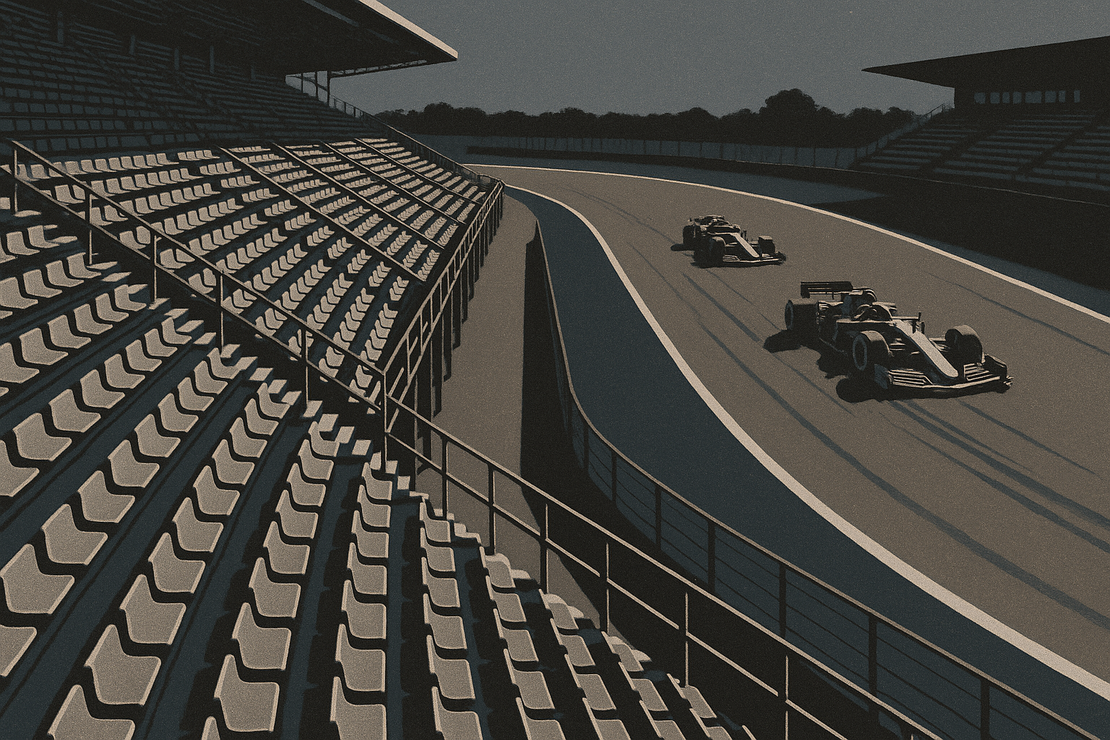
I had no use for motor racing. Loud, repetitive, a parade of billboards doing two hundred. Then a friend recommended Drive to Survive and I lost a weekend, and what hooked me had almost nothing to do with cars. It was the people. Who they were, who they couldn’t stand, which garages were quietly at war, the engineering trickery, how a tenth of a second in Bahrain rearranged a championship by December. In the early seasons, Guenther Steiner dropped lovable f-bombs left and right, and made you dread that post-race call to Gene Haas, the owner, along with him. The speed was the occasion. The story was the reason.
Read More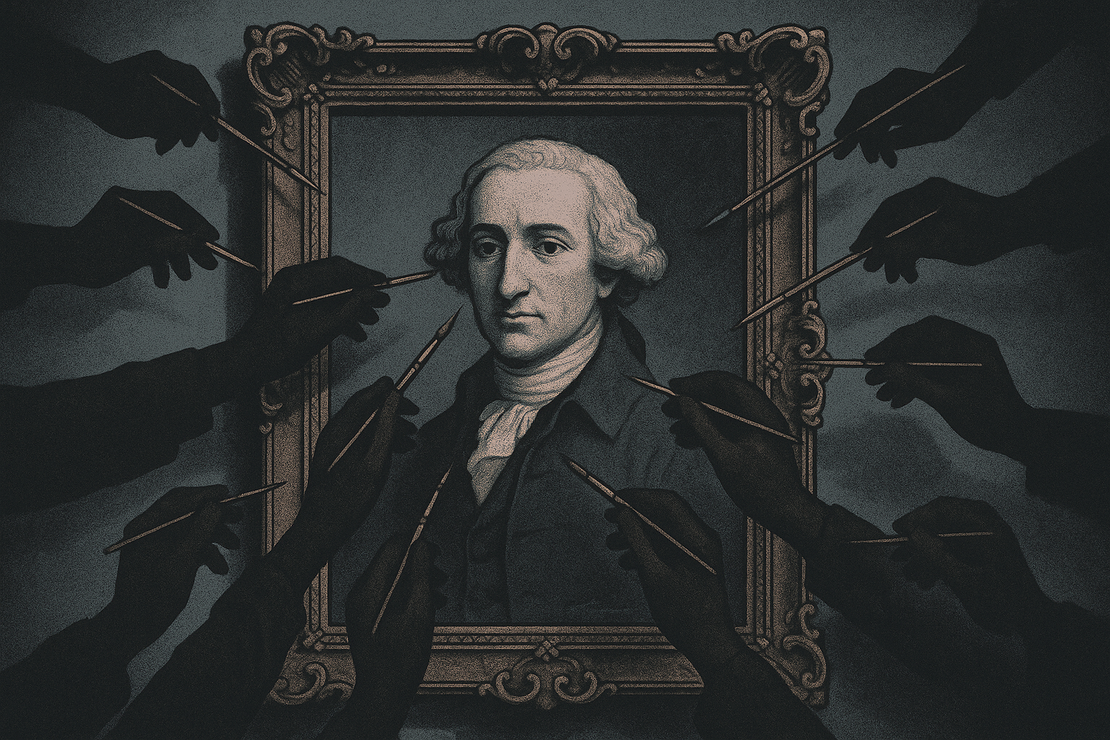
The Hand Was Never the Point
Walk through the Louvre and you can stand in front of a Rubens that Rubens barely touched.
Read More
The Gate I Built
I’ve spent a working life just outside the rooms where work gets anointed. Not entirely outside — I wrote tech books that went out under Sams and O’Reilly imprints, among others, and built apps that shipped under other companies’ logos, CNN and Xfinity among them. I was in those rooms often enough. I just paid a toll at the door every time, and the thing that vouched for the work was never me. It was the imprint on the spine, the logo on the app. That’s most of the truth about me. Here’s the part I’m least comfortable with: for about four years, I helped build one of those gates myself. And the thing making it look ridiculous now is a different machine — one that does for free the exact trick my gate was built to measure.
Read More
The Gate Was the Product
Nobody anointed this. No imprint vouched for it. No agent shopped it. No editor at a masthead you’d recognize read it first and decided I was worth a slot. I wrote it, I published it, and the only gate it passed through was the one between my draft and the internet, which is to say no gate at all. I mention this not as a sovereignty flex — plenty of unvouched-for writing deserves to stay unvouched-for — but because it’s the vantage point for everything that follows. I’ve spent a working life making things (books for publishers, apps that shipped under other companies’ names), plenty of it the kind of work that gets anointed, none of it under my own name. I’ve been in the rooms; I was just never the one they stamped. That’s a useful place to stand when you want to ask what the anointing was ever actually worth.
Read More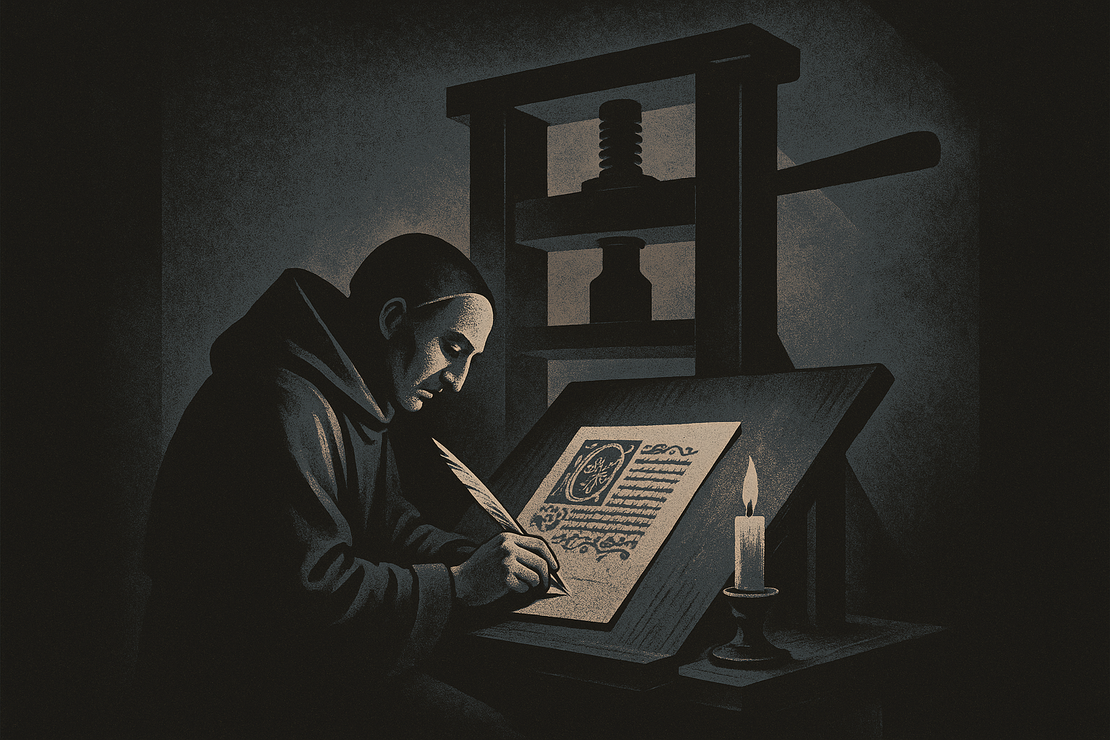
Nobody Told the Scribes
In 1492 a German abbot named Johannes Trithemius wrote a passionate defense of the monastic scribes, the monks who copied books out by hand, one letter at a time, the way it had been done for a thousand years. He was alarmed by the printing press. He argued that the copying was holy work, that a hand-inked page held a devotion no machine could stamp into paper, that something sacred would die if we let the contraption take over. It’s a genuinely moving little book with quotes like, “He who gives up copying because of the invention of printing is no genuine friend of holy Scripture.” He titled it In Praise of Scribes.
Read More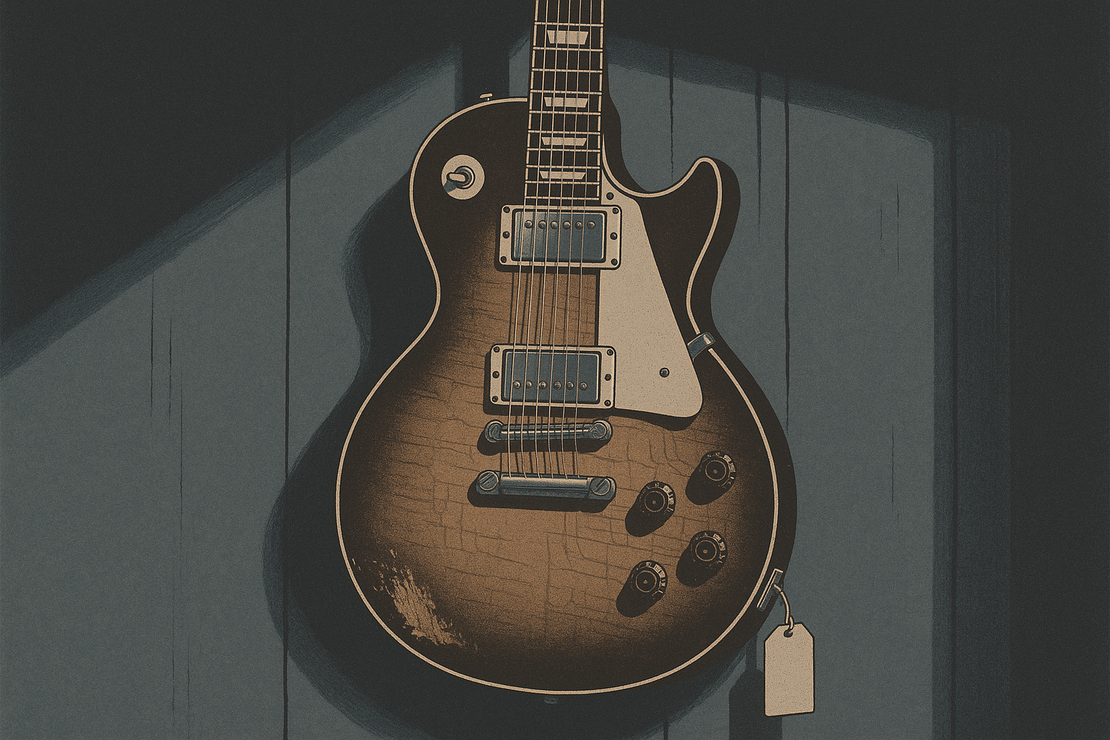
You Can't Relic a Life
There’s a kind of Les Paul guitar that looks like somebody played the life out of it. Sunburst, the finish checked into a thousand hairline cracks the way old nitro lacquer goes after enough cold nights. A worn patch on the back of the neck shaped like a hand. The gold on the hardware dulled to a tarnished green. Around the back, a belt buckle has rubbed a soft crater through the lacquer, down to bare wood, the kind of wear you only get from a few thousand nights standing up with the thing slung low.
Read More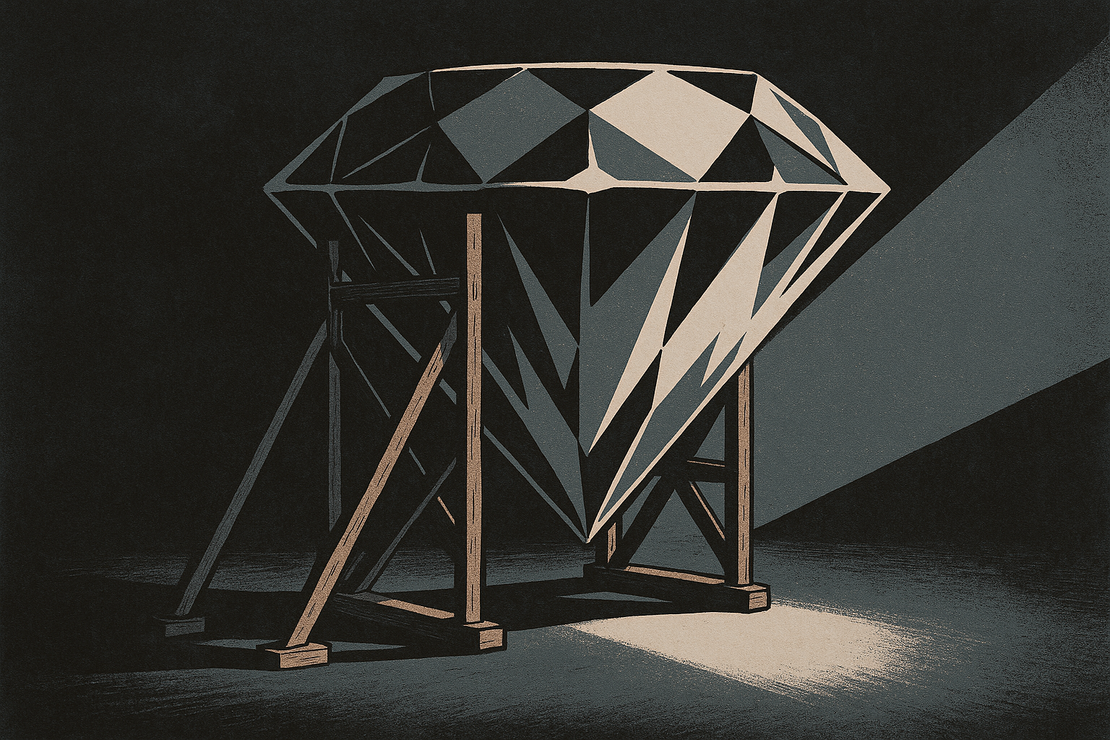
The Diamond Was Always a Story
My wife designs rings. She has the eye: proportion, the way a stone sits in light, when to use a flat rose cut vs. an elongated cushion or an old mine cut, and when the positioning of each reads as intention instead of approximation. What she didn’t have, until fairly recently, was room to use it. A mined center stone of any real size is a four- or five-figure commitment before she’s sketched a single prong, so every design was an expensive bet, and you don’t place many bets when each one costs a mortgage payment. Then lab-grown diamonds got good and cheap in the same handful of years, and the bet got a lot smaller. Now she works the way a painter works: try it, rework it, chase an idea three rings deep just to see where it wants to go.
Read More